Post Move-In
Post Move-In Calgary
Homeowner Responsibilities & Maintenance
 Homeowner Responsibilities
Protecting your investment
Follow these best practices to keep your new home in good condition and help protect your warranty. Take control of condensation, understand proper seasonal maintenance, prevent heat and water damage, and care for interior features and finishes.
Your participation in the warranty process is key

Submitting your warranty forms
One of the first things you can do to protect your new home and its warranty is to follow the warranty submission process. Your first obligation is to compile a list of items you may have noticed from living in your home. Please submit a copy of your list of items, along with any applicable photos, to the Minto Warranty Team approximately 30 days after your date of possession, so we can schedule a work day. You will follow the same process again on your first and second year anniversaries.

Being available for scheduled work days
Buying a new home is a significant financial investment and we recognize the time commitment involved. Minto will work with you to schedule work days as conveniently as possible. We will coordinate multiple trades on the same day, where possible to minimize disruption and time spent in your home. We ask that you, or a trusted friend or family member, be home for these repairs, to confirm they are completed to your satisfaction.
Learn More About
Humidity Control & Ventilation
Maintaining proper humidity levels in your home is an important part of protecting both your home and your warranty.
New homes are built to be more airtight and energy efficient, which helps improve comfort but also means moisture can build up more easily if indoor humidity isn’t properly managed.
In Alberta’s climate, this is especially important during colder months, when temperature differences between indoors and outdoors can lead to condensation on windows or other surfaces. Over time, excess moisture can impact finishes and materials within your home.
To help manage this:
- Monitor humidity levels using a hygrometer
- Adjust humidity based on the outdoor temperature (lower in colder weather)
- Use ventilation systems, such as bathroom fans and kitchen exhaust, regularly
- Ensure your HRV is operating as intended
- Ensure window coverings allow for airflow, particularly during colder months
Balanced humidity levels also help protect wood materials inside your home, such as flooring and cabinetry, which can expand or contract with changes in moisture over time.
Taking an active approach to humidity control can help protect your home and support overall comfort throughout the year.
Smoke & Carbon Monoxide Detectors
Your home is equipped with smoke and carbon monoxide detectors to support the safety of your household.
These devices are hardwired into your electrical system and include a battery backup to ensure continued operation during a power outage. The detectors are also interconnected, meaning if one is triggered, all alarms in the home will sound.
To help ensure these devices function as intended:
- Test each detector regularly to confirm it is working
- Clean the units periodically using a vacuum or soft cloth to remove dust buildup
- Replace batteries as needed
Keeping detectors clean and in working order helps supporting their effectiveness in the event of a fire or carbon monoxide concern. It is highly recommended that you clean and test each smoke detector once a month to confirm they are working properly.
Chirping or False Alarms
If your smoke or carbon monoxide detector begins to chirp or sound unexpectedly, it’s usually an indication that the unit needs attention.
This can happen if:
- The battery backup needs to be replaced
- Dust has built up in the unit
- The detector is nearing the end of its lifespan
If an alarm sounds without a clear cause, you can try resetting the unit and ensuring it is clean and properly powered. If the issue continues, refer to the manufacturer’s instructions or contact them directly for support. Please see our video on how to reset, test and disconnect your smoke/carbon monoxide detector.

Watering Your New Lawn

Watering of new sod just after its installation is critical for your new grass to survive. In the absence of adequate rain, water new grass daily to promote root development. The optimum times for watering are early morning or evening, when cooler temperatures allow moisture to soak into the soil more effectively.
To ensure that you are watering enough, lift a corner of the new sod. If the soil underneath is not soaking wet, more watering is required. After 2-3 weeks, the grass should be well established and should then only require watering depending on the amount of rainfall. If the sod begins to turn reddish brown, more frequent watering is needed.
VIEW OUR LAWN CARE GUIDE
→
Maintaining Your Grading and Rainwater Run-off
The grading (shape of the land) around your home is designed to direct water away from your property and into the storm drainage system.
Features such as swales (shallow drainage areas) and catch basins help move water away from your home and neighbouring properties. Keeping these clear is an important part of maintaining proper drainage.
To support this:
- Remove leaves and debris from catch basins in the spring and fall
- Clear snow and ice as conditions allow to help maintain water flow
Your property is designed to handle typical rainfall. During heavy or prolonged rain, some temporary water pooling may occur as the ground becomes saturated. This is expected and should drain within approximately 48 hours.

Winterizing Your Water Pipes
Exterior hose bibs and faucets need to be properly drained before winter to help prevent freezing.
In Alberta’s climate, this is especially important, as water left in exterior lines can freeze and cause damage..
Be sure to winterize your exterior faucets each fall, before temperatures drop below freezing. This includes:
- Shutting off the interior valve (if applicable)
- Draining any remaining water from the line
- Disconnecting and storing hoses
Damage caused by freezing, such as burst pipes or damaged exterior faucets, is not typically covered under your home warranty.
If you’re unsure how to winterize your exterior faucets, the Warranty Team can provide guidance.
Preventing Water Damage
Water damage is one factor of home care many homeowners don’t think about until it’s too late. It’s important to learn the signs of a potential water problem in your home so you can avoid costly repairs.
- Never ignore a drip or drop. You should immediately attempt to find and stop leaks before they cause any damage.
- Do not leave standing water or wet cloths on a countertop, particularly on joints or near the junction of the countertop and back splash as this can cause water damage including swelling of the subsurface of the countertop.
- Wipe up spills on hardwood flooring before they are absorbed into the wood or become sticky.
- Remove spills from carpeting immediately to prevent spots and stains. If stains occur do not rub the carpet surface while attempting to remove them. Stains should be blotted using cotton cloths or paper towels.
Preventing Heat Damage
Homes are filled with large and small appliances that make everyday living easier. However, heat generated from these appliances can cause damage to homes:
- Take care when using heat-producing appliances (such as a toaster) beneath cabinets, as prolonged heat exposure may impact cabinet finishes.
- Read the operating manual before operating a new stove or cooktop. Heat from gas stoves have been known to damage laminate cupboards. Electric, gas range cooktops or appliance burners should not be operated without being covered with a pot or pan. Equally important, the doors of a stove or wall oven should not be left open for extended periods of time.
- Hot pans or activated electrical appliances should not be placed under wall cabinets or directly on laminated surfaces - use protective insulating pads.
To-Do List: Seasonal Maintenance
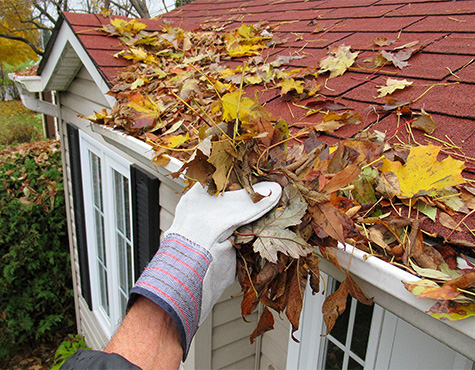
Taking care of your new home is an ongoing process. Seasonal maintenance is essential to protect your investment and ensure you can enjoy your home for years to come. Keep this checklist handy and reference it regularly. If you have questions or need guidance, the Warranty Team is available to help.
DOWNLOAD SEASONAL CHECKLIST
→

We're here to help

Your Customer Experience Coordinator can provide any answers or connect you with the right person to address any questions - during regular business hours.